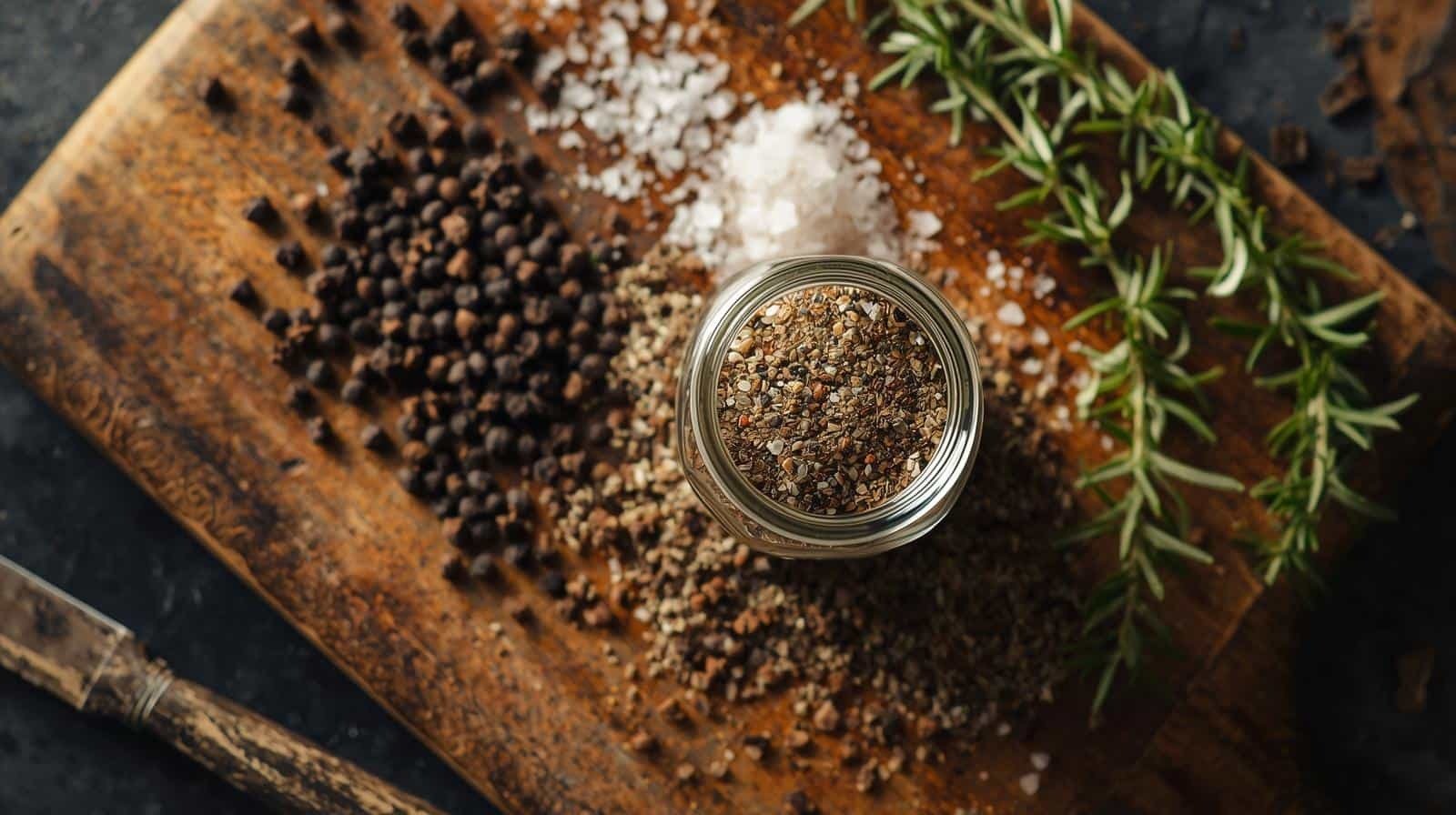
Peppered seasoned salt is more than just a kitchen staple it’s a secret weapon for home cooks and professional chefs alike. With its balanced mix of salt and black pepper, it enhances every dish with a depth of flavor that’s hard to replicate.
Whether sprinkled over roasted vegetables, incorporated into savory baked goods or used to season meats, this versatile spice blend elevates meals effortlessly.
Understanding how to make, use and customize it allows you to bring a restaurant-quality touch to your own kitchen.
In this guide, we’ll explore everything from the origins of peppered seasoned salt to step-by-step preparation, culinary uses and expert tips.
By the end, you’ll have the knowledge to create, store and apply this flavorful blend in countless ways, while also understanding the subtle differences between it and regular seasoned salt.
Introduction to Peppered Seasoned Salt
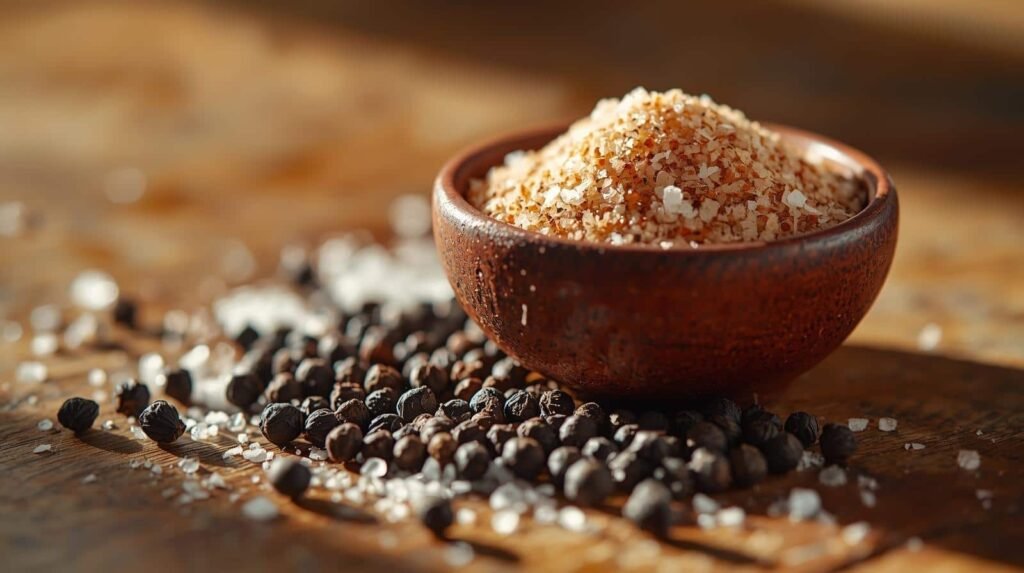
Peppered seasoned salt combines the boldness of black pepper with the savory punch of salt, creating a well-rounded seasoning that works in almost any dish.
Unlike plain salt or pepper, this blend brings a harmonious flavor profile that enhances the natural taste of ingredients without overpowering them.
Its popularity has grown in home kitchens, restaurants and snack production, making it a go-to for quick flavor enhancement.
The beauty of peppered seasoned salt lies in its simplicity and adaptability. You can use it to bring a subtle kick to everyday meals or to craft complex flavors for gourmet dishes.
Knowing how to make it from scratch adds a personal touch and ensures freshness, giving you full control over seasoning intensity and quality.
History and Origin of Peppered Seasoned Salt
Peppered seasoned salt has a long history, dating back to when cooks began blending spices to create more complex flavor profiles.
Initially, black pepper was considered a luxury, so combining it with salt allowed chefs to stretch its use while enhancing flavor.
Over time, this simple pairing became a culinary staple, finding its way into home kitchens and professional pantries alike.
Early Use in Kitchens
In traditional kitchens, cooks often ground peppercorns and mixed them with coarse salt for seasoning meats and vegetables.
This method ensured even flavor distribution and allowed the seasoning to stick to foods during cooking. Early recipes were straightforward but highly effective, highlighting the synergy between salt and pepper.
How It Became a Staple Spice
As culinary techniques evolved, the combination of salt and pepper became standard in global cuisines. Today, peppered seasoned salt is found in grocery stores and professional kitchens worldwide.
Its versatility and ease of use have cemented its place as a fundamental spice, used in everything from snacks like chex mix to gourmet meat dishes.
Ingredients and Preparation
Making your own peppered seasoned salt ensures superior flavor and freshness. Homemade blends allow you to customize the heat, aroma and overall taste, depending on your cooking style.
Key Ingredients
A classic peppered seasoned salt uses coarse salt and freshly cracked black pepper as its foundation. For enhanced depth, garlic powder, onion powder and paprika are commonly added.
Some variations include smoked paprika for a smoky undertone, white pepper to maintain color consistency or a hint of sugar and turmeric for balance. The flexibility of ingredients makes it a versatile addition to any kitchen.
Step-by-Step Preparation
Start by grinding fresh peppercorns or pulsing all ingredients in a spice grinder until uniform and fine-textured. Maintaining a 4:1 salt-to-pepper ratio is a reliable starting point, while toasting peppercorns beforehand can amplify aroma.
After grinding, transfer the mixture into an airtight container to preserve flavor. This process allows the seasoning to remain fresh for up to six months when stored properly.
Customization Tips
Peppered seasoned salt can be adapted to suit different tastes. Adding cayenne or chili powder introduces heat, while dried herbs such as thyme or rosemary create unique flavor profiles.
Experimenting with ratios and additional spices ensures your blend complements your favorite dishes perfectly.
Culinary Uses of Peppered Seasoned Salt
The applications of peppered seasoned salt are nearly limitless. Its balanced flavor profile makes it suitable for meats, vegetables, snacks and even some baked goods.
Cooking Meat and Poultry
Sprinkling peppered seasoned salt over chicken, steak or pork before grilling or roasting enhances natural flavors and creates a savory crust.
It’s particularly effective when applied to meat just before cooking, allowing the seasoning to penetrate the surface without drawing out moisture.
Seasoning Vegetables and Snacks
Roasted or sautéed vegetables benefit from a light coating of peppered seasoned salt, which brings out their natural sweetness and adds a gentle kick.
Snack mixes, including chex mix, popcorn or roasted nuts, can be elevated with this seasoning, turning simple treats into irresistible, flavorful bites.
Baking and Unique Applications
Beyond savory dishes, peppered seasoned salt can be used creatively in breads, savory muffins or even sprinkled over crackers.
Its subtle heat and saltiness add complexity to baked goods that would otherwise taste flat. The seasoning’s versatility makes it a valuable tool for both traditional and experimental recipes.
Peppered Seasoned Salt vs. Regular Seasoned Salt
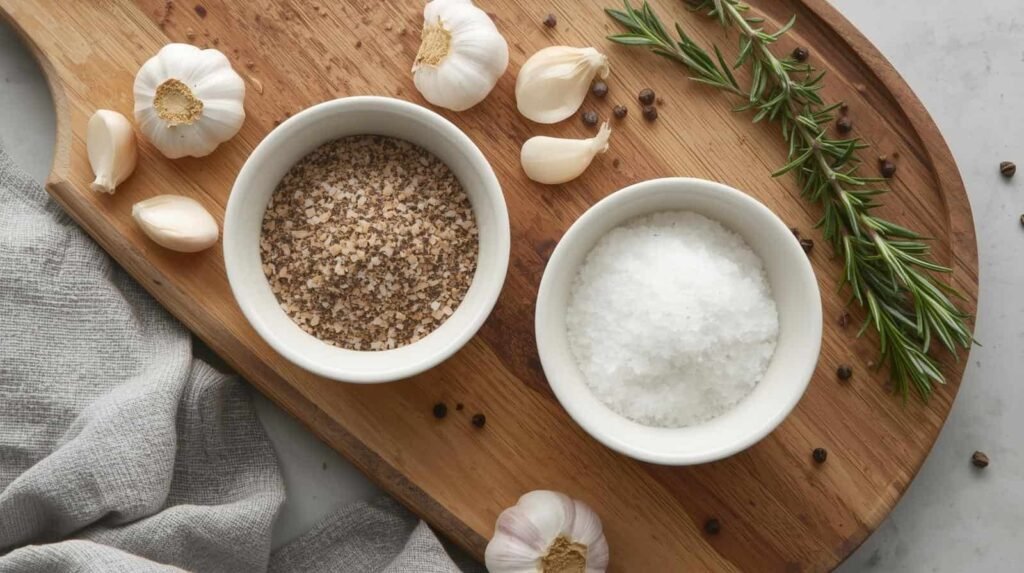
Understanding the differences between peppered seasoned salt and regular seasoned salt helps in choosing the right spice for your dishes.
Flavor Differences
Peppered seasoned salt has a bold, slightly spicy edge due to the black pepper content, while regular seasoned salt often leans toward a milder, balanced flavor profile without the peppery kick.
This makes the peppered version ideal for dishes that benefit from a subtle heat and stronger seasoning presence.
Nutritional Comparison
While both are used sparingly, peppered seasoned salt may have slightly more antioxidants thanks to black pepper.
However, sodium content remains similar, so moderation is key. Using the seasoning judiciously ensures enhanced flavor without compromising health.
Best Situations to Use Each
Peppered seasoned salt works best on meats, roasted vegetables and snacks, while regular seasoned salt is ideal for dishes that require a gentle, even seasoning without pepper interference. Choosing the right type depends on the dish and desired flavor intensity.
Tips for Storing and Preserving Freshness
Ideal Storage Conditions
Store your peppered seasoned salt in a cool, dry place away from direct sunlight. Using airtight containers prevents moisture absorption, maintaining the texture and potency of the spices.
Shelf Life and Freshness Check
Typically, homemade blends last up to six months. Check for clumping, off smells or discoloration to ensure freshness. Grinding small batches frequently guarantees peak flavor and aroma.
Common Mistakes to Avoid
Over-Salting
While it’s tempting to add generous amounts, too much salt can overpower dishes. Measure carefully and season gradually to taste.
Using Stale Ingredients
Old pepper or pre-mixed spices can result in a dull, flat seasoning. Using fresh, high-quality ingredients ensures vibrant flavor and aroma.
Conclusion
Peppered seasoned salt is a versatile, flavorful addition to any kitchen. From meats and vegetables to snacks and baked goods, it enhances dishes with a balanced combination of saltiness and peppery heat.
Making it at home allows customization, freshness and control over every ingredient. Understanding its uses, differences from regular seasoned salt and proper storage ensures that your culinary creations always reach their full potential.
With this guide, you’re equipped to elevate meals, experiment with flavors, and make peppered seasoned salt a cornerstone of your cooking.
FAQs
What is peppered seasoned salt?
Peppered seasoned salt is a combination of salt and cracked black pepper, often used to enhance flavor in meats, vegetables and snacks.
What is seasoned salt for Chex Mix?
It evenly coats snacks like Chex Mix, providing a crunchy, savory layer that enhances the taste of every bite.
What is salt and pepper seasoning?
Salt and pepper seasoning blends both ingredients for consistent flavor, removing the need to measure separately while cooking.
How to make pepper salt?
Mix coarse salt with freshly cracked black pepper in a desired ratio. Optional additions like garlic powder or paprika can enhance flavor.
Can I use it on grilled meats?
Yes, peppered seasoned salt works perfectly on steaks, chicken and seafood, adding a robust, peppery kick.
Is it suitable for vegetables?
Absolutely. Roasted or sautéed vegetables benefit from the balance of saltiness and spice.
Does homemade peppered seasoned salt taste better than store-bought?
Often, yes. Freshly ground pepper and customizable ratios create a more aromatic and flavorful experience.