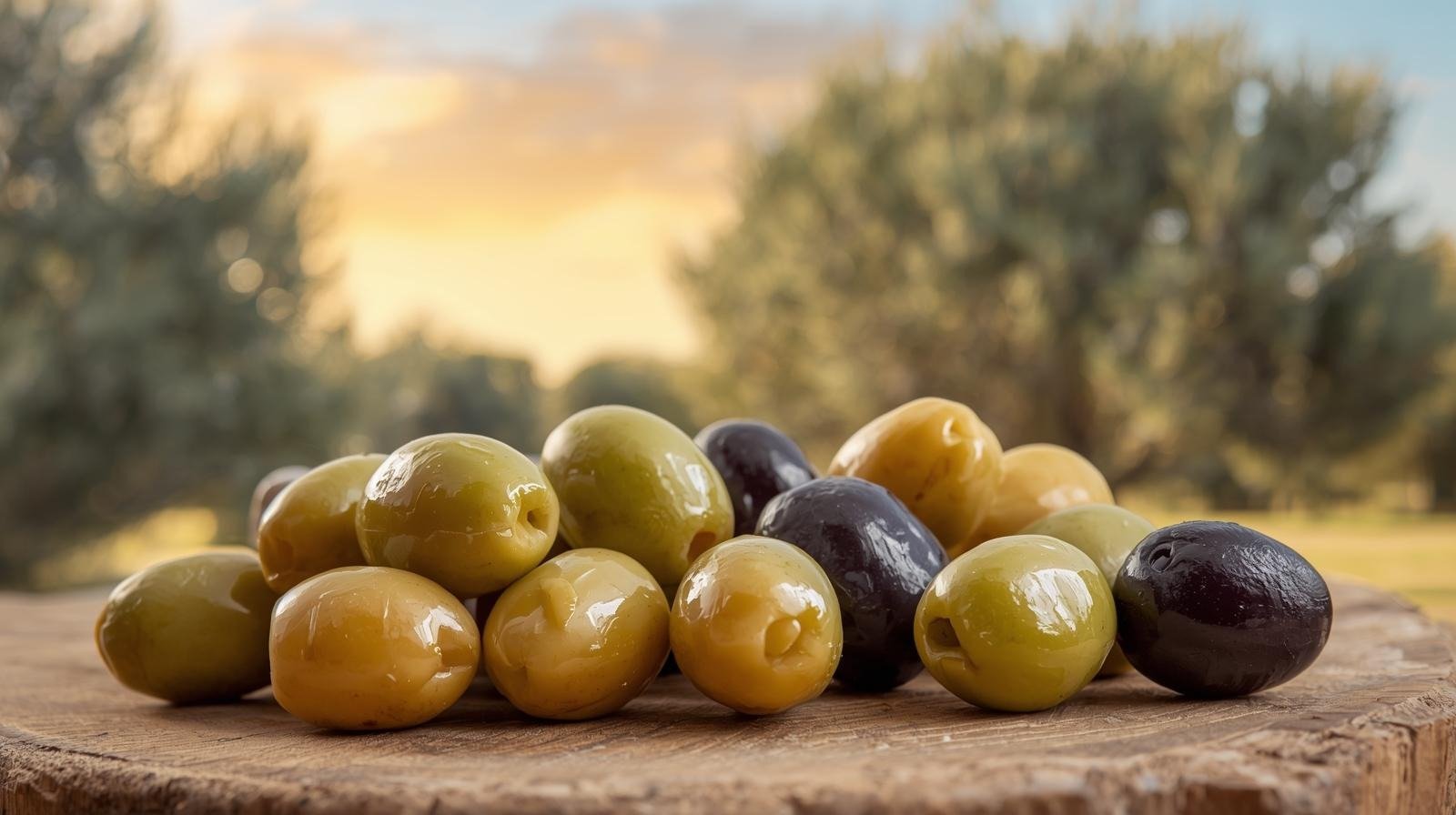
Olives are a staple in kitchens worldwide but a common question often arises: are olives a fruit? Many people enjoy them on salads, pizzas or as a snack, yet remain unsure of their botanical classification.
Surprisingly, the answer isn’t just about taste it’s about biology, nutrition and history. Olives belong to a family of plants that produces drupes, a type of fruit but their savory flavor can make them seem more like a vegetable.
Understanding olives requires more than just identifying them in your pantry. From their origins in the Mediterranean to the health benefits they provide, olives have a rich story.
They offer antioxidants, healthy fats and unique flavor profiles that enhance countless dishes. This article dives deep into the world of olives, exploring whether they are a fruit or vegetable, their health impacts and how to incorporate them into your diet wisely.
We’ll also answer common questions like, Are black olives a fruit? or Is it okay to eat 20 olives a day? and provide insights from both scientific studies and culinary experts.
How Olives Are Cultivated and Harvested?
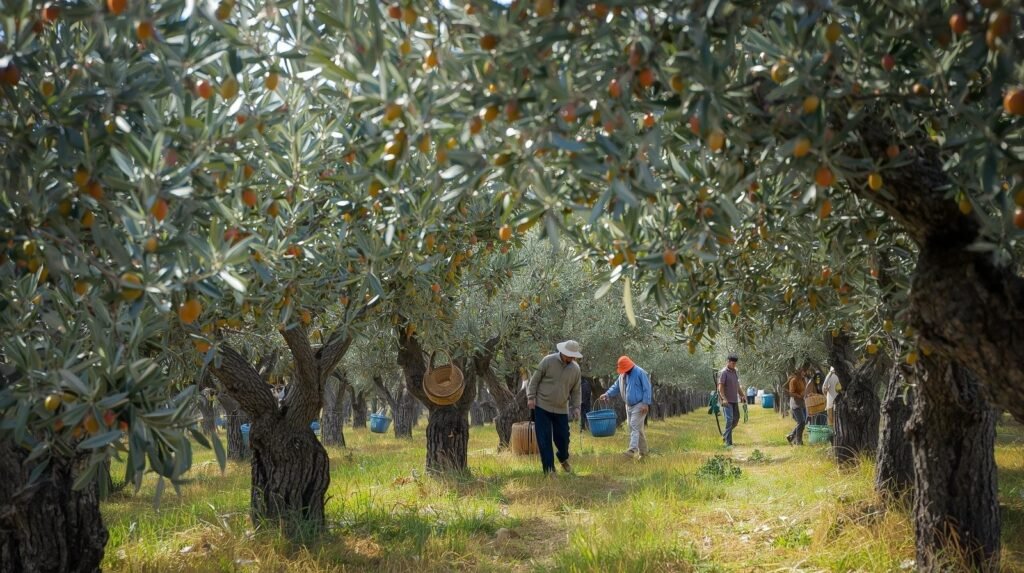
Olive cultivation is an art as much as it is agriculture. Most olive trees are grown in Mediterranean climates with mild winters and hot, dry summers.
Farmers carefully monitor soil quality, irrigation and pruning to ensure healthy growth and high-quality fruit.Olive trees take several years to bear fruit and patience is key to achieving optimal yields.
Harvesting methods vary depending on the desired use. Some olives are picked by hand to ensure minimal bruising, while others are mechanically shaken from the trees.
The timing of the harvest impacts flavor, bitterness and oil content, with early-harvest olives being more bitter and late-harvest olives sweeter and oil-rich.
Traditional knowledge and modern techniques blend seamlessly in olive farming, creating fruits that are not only nutritious but also deeply connected to regional cultures.
Understanding how olives are cultivated adds another layer to appreciating why they are considered such valuable fruits.
The Cultural and Culinary Significance of Olives
Olives are more than just a food item they carry cultural and historical significance. In ancient civilizations, olive trees were symbols of peace, prosperity and wisdom. Olive oil was used not only for cooking but also in rituals, medicine and cosmetics.
Today, they continue to hold symbolic value in Mediterranean societies and global cuisine.Culinarily, olives have inspired a wide variety of recipes.
From Mediterranean salads to tapenade spreads, olives add depth and complexity to dishes. Their salty, tangy flavor balances other ingredients, making them a staple in many kitchens.
Moreover, the global popularity of dishes like Greek salads, Italian pizzas and Spanish tapas has further cemented olives as an indispensable fruit in modern cuisine.
The cultural significance also extends to festivals and traditions. Many regions celebrate the olive harvest season, hosting events that showcase traditional pressing methods and culinary uses.
This blend of culture, history and gastronomy makes olives more than just a fruit they are a living symbol of heritage and flavor.
Understanding Olives | Fruit or Vegetable?
Botanically speaking, olives are classified as a fruit. Specifically, they are drupes, meaning they contain a single seed surrounded by fleshy fruit. This classification is similar to peaches, cherries and mangoes.
The confusion arises because olives are often used in savory dishes, which makes people assume they might be vegetables.Olives grow on trees of the species Olea europaea, primarily in Mediterranean climates.
Historically, these trees have been cultivated for thousands of years, prized for both the fruit and the oil. Their status as a fruit is rooted in their reproductive function; the seed inside allows new olive trees to grow.
If you’re curious about discussions around olives, check out the Olives discussion on Reddit, where enthusiasts and botanists debate their classifications and culinary uses. Similarly, you can find detailed explanations and user insights on Quora about olives.
Why Taste Doesn’t Determine Classification
Many people assume that sweet foods are fruits and savory ones are vegetables. Olives challenge this assumption because they are bitter when raw and are often brined or cured before eating.
Despite their flavor, their botanical definition remains unchanged. The misconception highlights the difference between culinary and botanical classifications.
Health Benefits of Olives
Olives are more than just a flavorful addition to meals; they provide significant health benefits. They are rich in monounsaturated fats, which are known to support heart health and reduce inflammation.
Additionally, olives contain antioxidants such as vitamin E and polyphenols, which can protect cells from damage.Regular consumption of olives may also support brain health and improve cholesterol levels.
Even a small serving say, 5 to 10 olives per day can contribute beneficial nutrients without excessive calories. However, moderation is key because cured olives can be high in sodium.
Are Black Olives Different?
Black olives, often perceived as a separate type, are simply fully ripened green olives. They undergo a curing process to reduce bitterness and enhance flavor.
Like their green counterparts, black olives are also fruits and they retain similar nutritional benefits. Their darker color indicates higher levels of certain antioxidants, which can provide additional health perks.
Culinary Uses of Olives
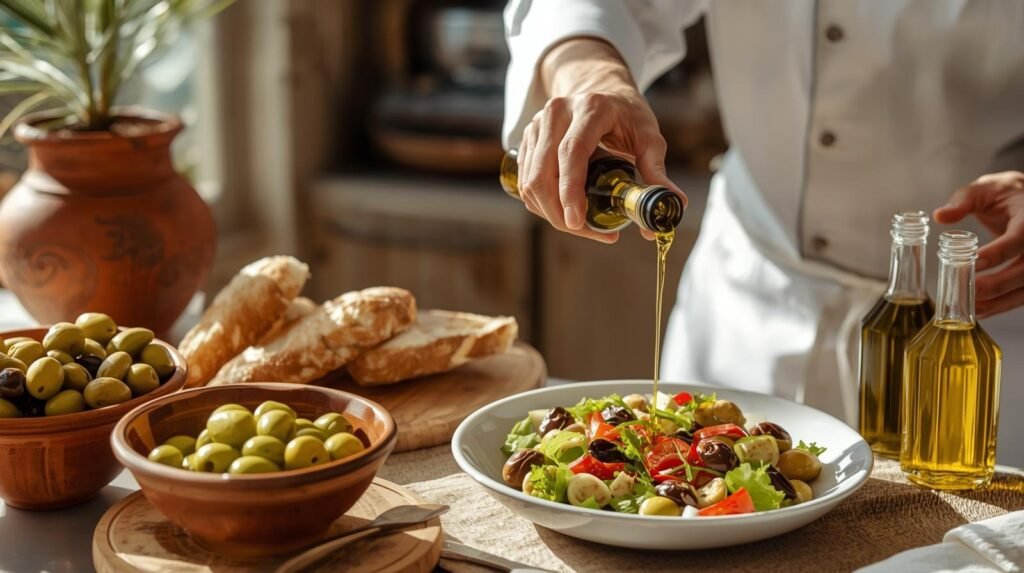
Olives are versatile in cooking. They can be eaten on their own, added to salads, baked into bread or included in Mediterranean dishes like tapenade.
Olive oil, derived from pressing olives, is another powerhouse ingredient known for heart-healthy fats and culinary richness.
Understanding that olives are fruits can change how we view them in recipes. Chefs often combine the savory taste of olives with sweet or acidic ingredients, creating a balanced flavor profile.
Fun Facts About Olive Trees
Olive trees are remarkable for their longevity; some trees live for over a thousand years. They are hardy and can survive droughts, which is why they thrive in Mediterranean climates.
Historically, olive branches were symbols of peace and olive oil played a critical role in ancient diets and rituals.
Conclusion
Olives are more than just a kitchen staple they’re fascinating fruits with a rich history and cultural significance. From ancient Mediterranean tables to modern dishes, they have nourished and inspired generations.
Knowing that olives are fruits helps us see them as a nutritional powerhouse, not just a flavorful addition. Adding them thoughtfully to meals brings taste, healthy fats and antioxidants that support overall well-being.
Beyond food, olives inspire recipes, culinary creativity and even cultural traditions. Their classification as fruits can spark curiosity about other commonly misidentified foods.
In the end, olives perfectly blend flavor, health and history, making them a unique must-have in any diet.
FAQs
Can I use olives for weight management?
Olives can be part of a balanced diet. Their healthy fats promote satiety, helping control appetite without adding excess calories.
Do olives have any antioxidants?
Yes, olives contain vitamin E and polyphenols, which help combat oxidative stress and support overall health.
Are there different types of olives?
Absolutely. Green, black, Kalamata and Castelvetrano are just a few examples, each offering unique taste, texture and culinary uses.
Can children eat olives safely?
Yes, but ensure they are pitted and cut if necessary to prevent choking hazards, especially for younger kids.
Do olives help with heart health?
Regular consumption of olives or olive oil supports cardiovascular health due to their monounsaturated fats and antioxidant properties.
Are olive oils better than whole olives?
Olive oil provides concentrated healthy fats and antioxidants, while whole olives offer fiber, additional nutrients and a different texture for culinary use.